We all have to eat and drink… it’s a subject that involves everyone. It also says a great deal about who and where we are, and in this brand-new blog, Community Rail Officer Emily Oldfield is intent on exploring food history, how it has shaped us, and how it too has been shaped by transport (especially rail!) and trade.
England – and indeed the north of England where this Community Rail Partnership is based – has a rich, varied and multi-layered food heritage that is often under-celebrated. This blog will examine food history and how it links to regional identity, as well how train travel has changed the food we eat… both on and off trains! Dining cars now seem to be a heritage rather than everyday feature of the rails, but once were big business, and will be the subject of later blog posts.
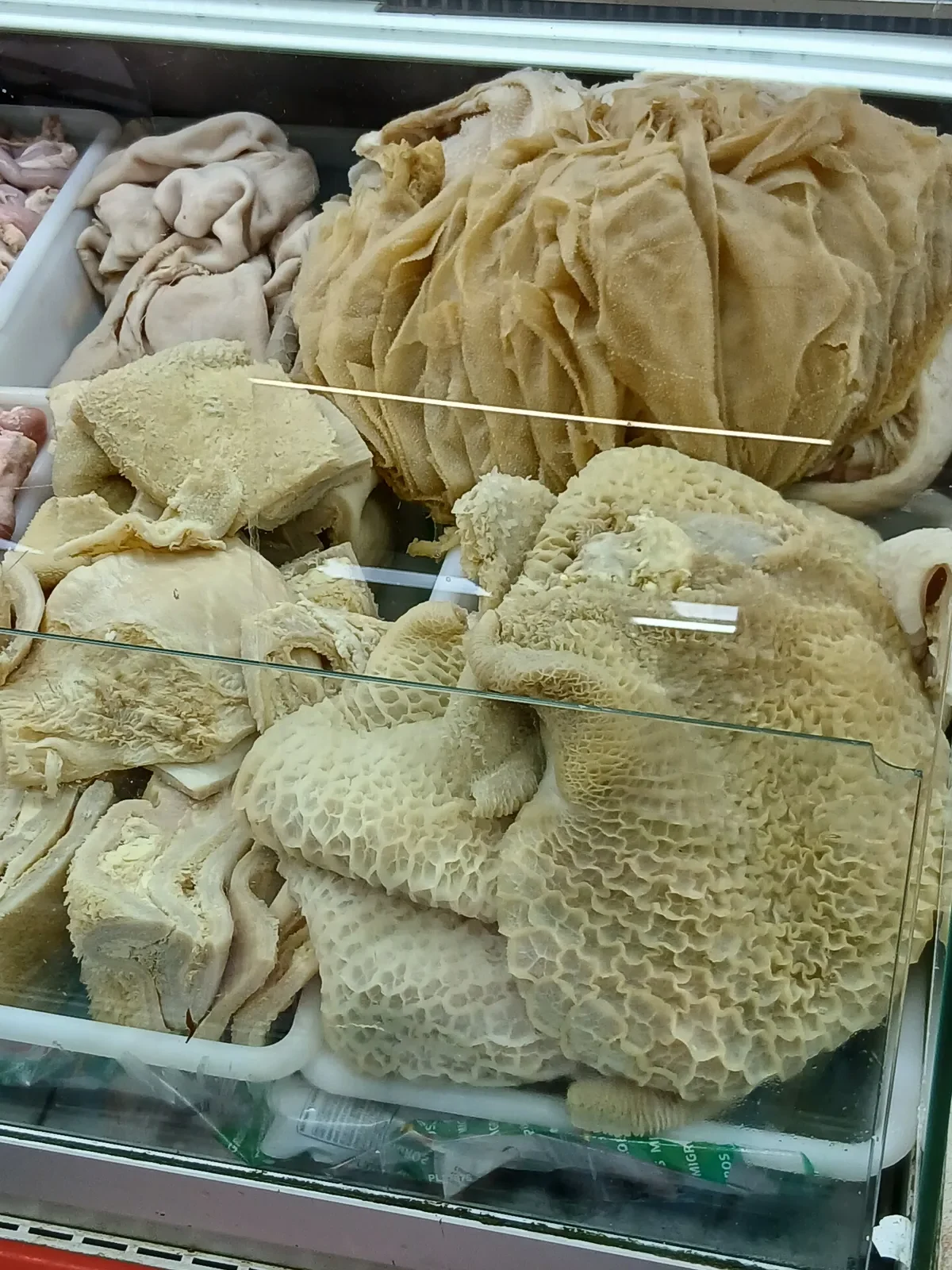
Food and drink is a topic full of opinions, ideas and personalities. Talk to anyone and they will have their own ‘favourite food’, their likes and dislikes, and it is fascinating how tastes vary so massively. For example, take the offal product tripe (infamous in the north of England), some people love it, others hate it! Food and drink is a fun and formative lens to apply to our regional history – and we’ll be exploring working class stories, travel networks, the influence of multiculturalism, creativity and plenty more along the way. ‘Food culture’ isn’t just the realm of restaurants, it’s something to unpack, and here we’ll consider under-represented voices and journeys, with plenty of surprises!
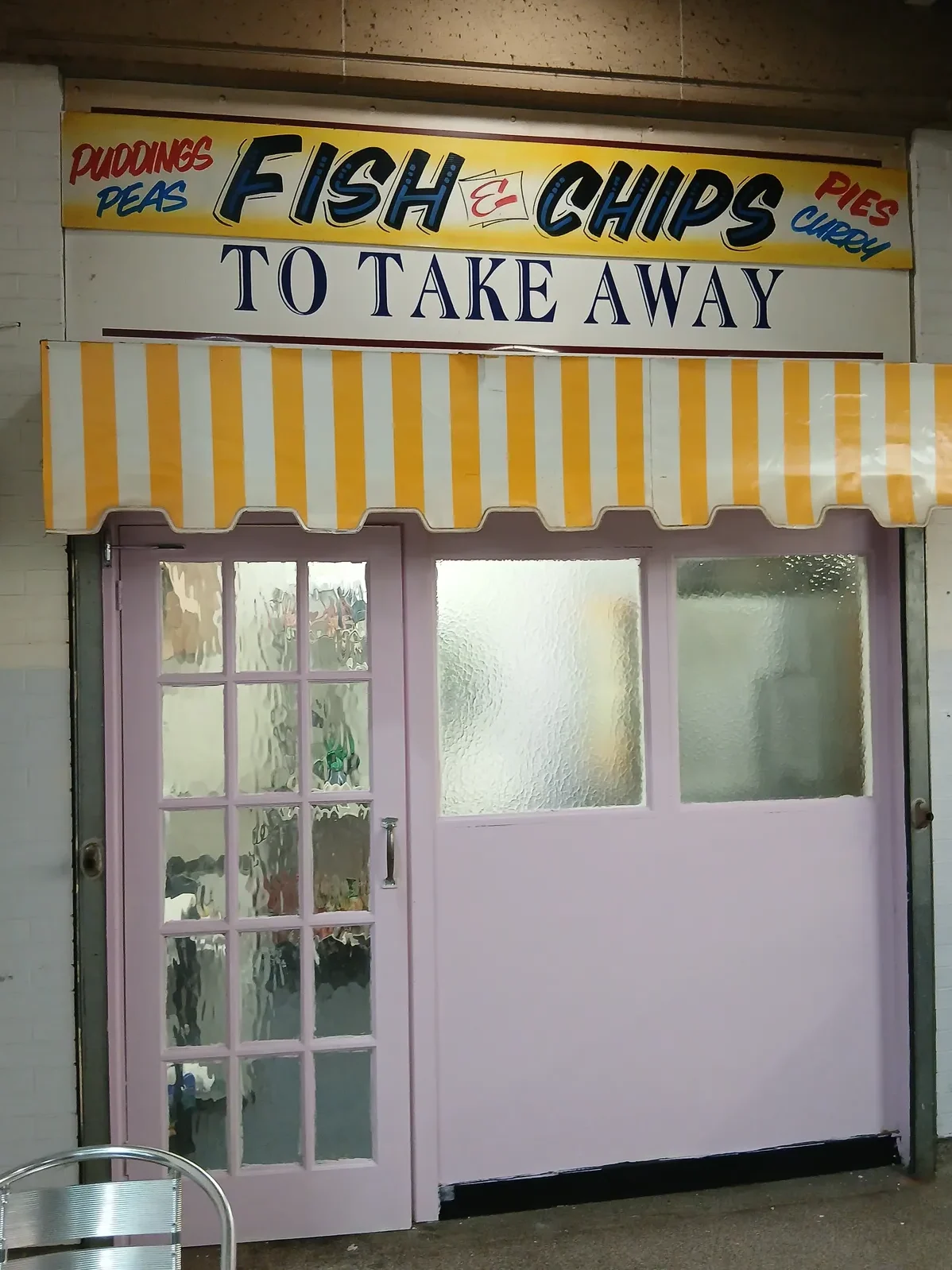
Along our lines you might think of food highlights such as pies from Wigan, pasties from Bolton, stews like ‘lobby’ and fish and chips. But it’s interesting to consider that fish became so much more readily available inland due to the railways (as previously it was difficult to keep it fresh when using slower means of transport). When we look at things like this, it really highlights the influence of trains on what we eat – and this still continues today.
Ultimately food and drink is a talking point, and this blog is intended to be an interactive archive of discovery and learning. We’re looking forward to hearing other people’s ideas and experiences, and we’ll be out travelling on our lines (and beyond) listening, researching and enjoying the amazing food culture we’ve all collectively created and contribute to.
To whet your appetite, here are some interesting considerations involving food, drink and rail – giving you a flavour of blog content to come:
- Fish Trains! – The arrival of rail meant that fish from northerly ports could be transported across the country, even eaten the same day in the cities (previously not possible for places far away from the sea), even as far away as London! There was such demand that ‘fish trains’ were created; special fast trains carrying the cargo (with ice!) so it would stay as fresh as possible. We’ll discover more in a dedicated blog.
- Market Days – the north of England boasts many brilliant market towns (with Bolton being a key example – market pictured). We’ll explore local trade as well as the impact of the railways on availability and subsequent recipes.
- A Salford speciality – Eccles cakes are a Northern icon, with the market town of their namesake sitting within the borough of Salford. We’ll visit Eccles, examine the history of Eccles Cakes, and look at where to get them now.
- Wigan and ‘Pie Eaters’ – People from Wigan are sometimes colloquially known as ‘Pie Eaters’. But why? We’ll explore some social and political history, as well as the popularity of pie in the North.
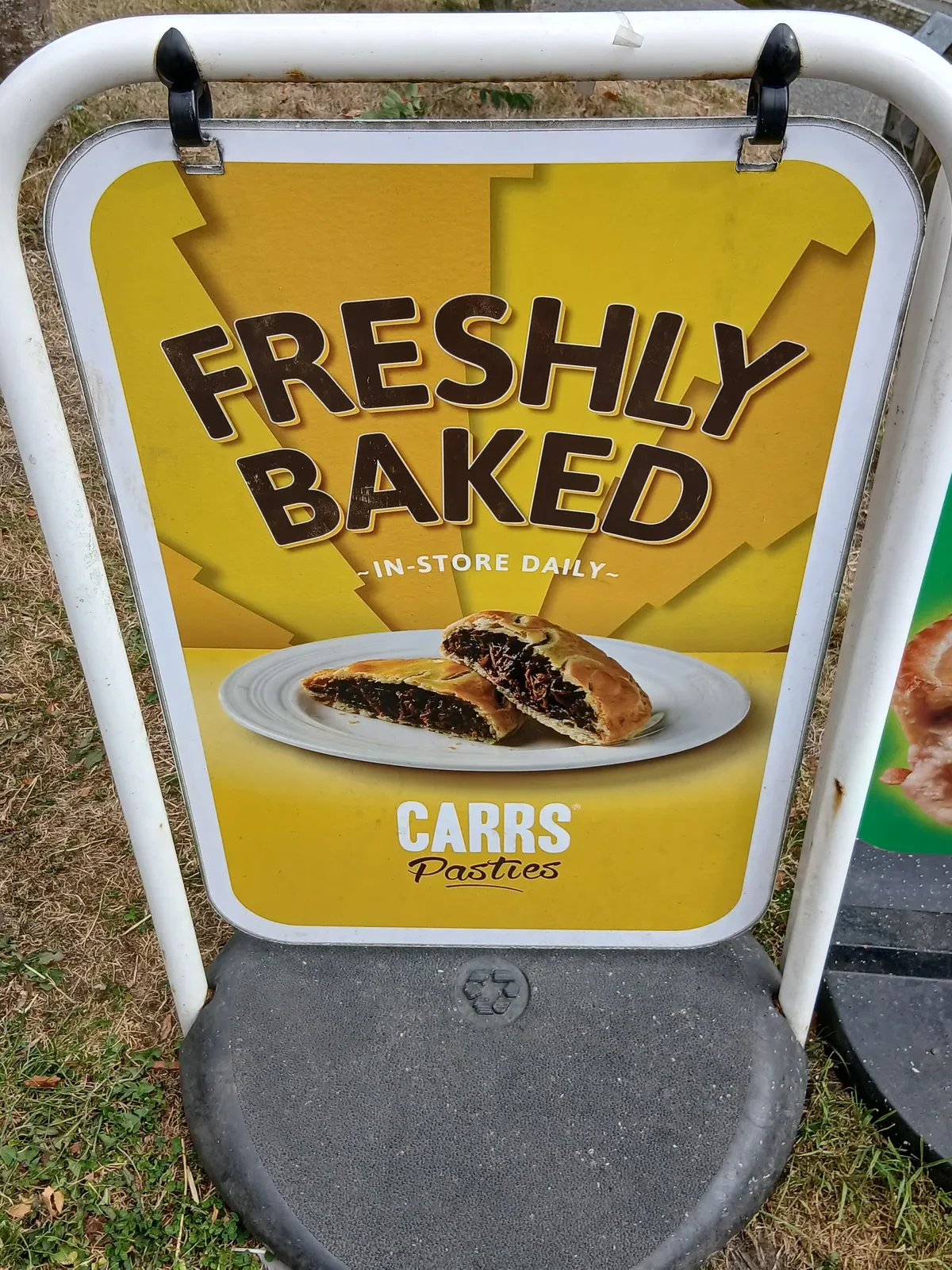
- Bolton’s past, pasties and present – Pasties are certainly popular in Bolton! We’ll visit some prominent pasty shops, consider a possible precursor (Lancashire foots) and find out what makes a ‘Lancashire Pasty’ today.
- Food for trains and boats – we’ll delve into the food eaten by train staff over time (the ultimate ‘on-the-go’ food), plus consider food and drink culture on other local modes of travel, including canal boats!
- Dining Cars and Destinations – Britain’s first dining car service was on The Great Northern Railway (as set out on the Railway 200 website, see their timeline here). We’ll look at the rise and fall of railway Dining Cars, as well as the places travelled to, to enjoy food culture.
- The shift from cereal to dairy – did the railway allow for a shift in agricultural practices, especially in Lancashire? We’ll consider with a dedicated blog, complete with some recipes!